

The Year-End Planning Items That Usually Get Reviewed Too Late
The calendar turns over faster than most financial plans do.
By the time December arrives, options start to narrow. Contribution windows close. Tax decisions get compressed. Documents that should have been reviewed earlier are still sitting untouched. The plan may have been monitored all year and still have gaps that only show up when the deadline is close.
Year-end planning is not a scramble for last-minute moves. It is a structured review of the items that lose flexibility if they wait.
Here are five areas worth reviewing before the year gets short.
How Holistic Financial Planning Keeps Year-End Decisions Connected
A year-end item is rarely isolated. A contribution decision can affect taxes. A cash decision can affect what stays invested. A document update can change how accounts transfer. Black Diamond Advisory Partners’ Holistic Financial Planning puts those pieces in one structure so year-end decisions support the broader plan instead of competing with it.
On the investment side, an adaptive approach means the portfolio is reviewed against current conditions and the plan’s purpose — not left on autopilot because the calendar is busy.
If You Want the Year-End Review to Happen Before the Window Closes
If you want a plan that stays aligned through changing markets and changing goals, we can help. Explore the services below or reach out to start a conversation.
Disclosure: This material is for informational purposes only and is not individualized investment, tax, or legal advice. Investing involves risk, including possible loss of principal.
About the author
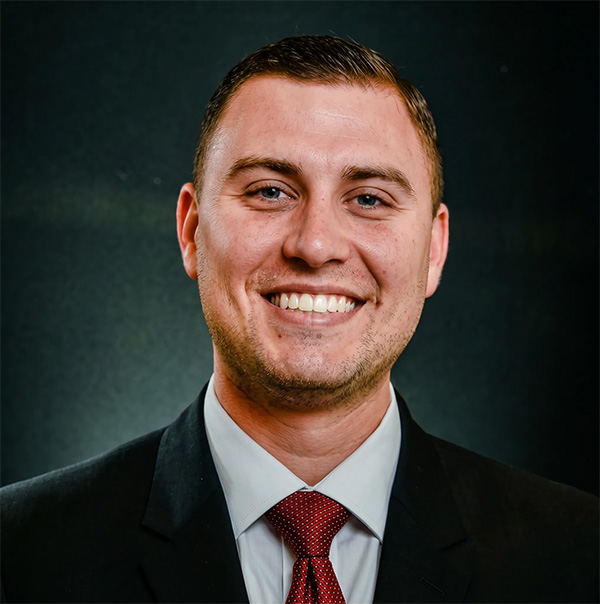
Chris Buckley, APMA®, is the founder, CEO, and CIO of Black Diamond Advisory Partners, the operating name of Black Diamond Wealth Management LLC, a state-registered investment adviser in Chesterbrook, Pennsylvania. He holds a bachelor’s degree in business administration from the Villanova School of Business and the Accredited Portfolio Management Advisor designation. He works with individuals, families, and business owners in the Greater Philadelphia area on holistic financial planning and investment management, including coordination with tax and estate counsel. He lives in Malvern with his family.